


The Denver Metro Chamber Leadership Foundation and TIED (Talent, Inclusion, Engagement & Diversity) Roundtable hosted their seventh collaborative Virtual Voices on Thursday, Aug. 19 in an informative discussion around equity in philanthropy that touched on the racial history of philanthropy and the work of The Denver Foundation when approaching diversity, equity and inclusion (DEI).
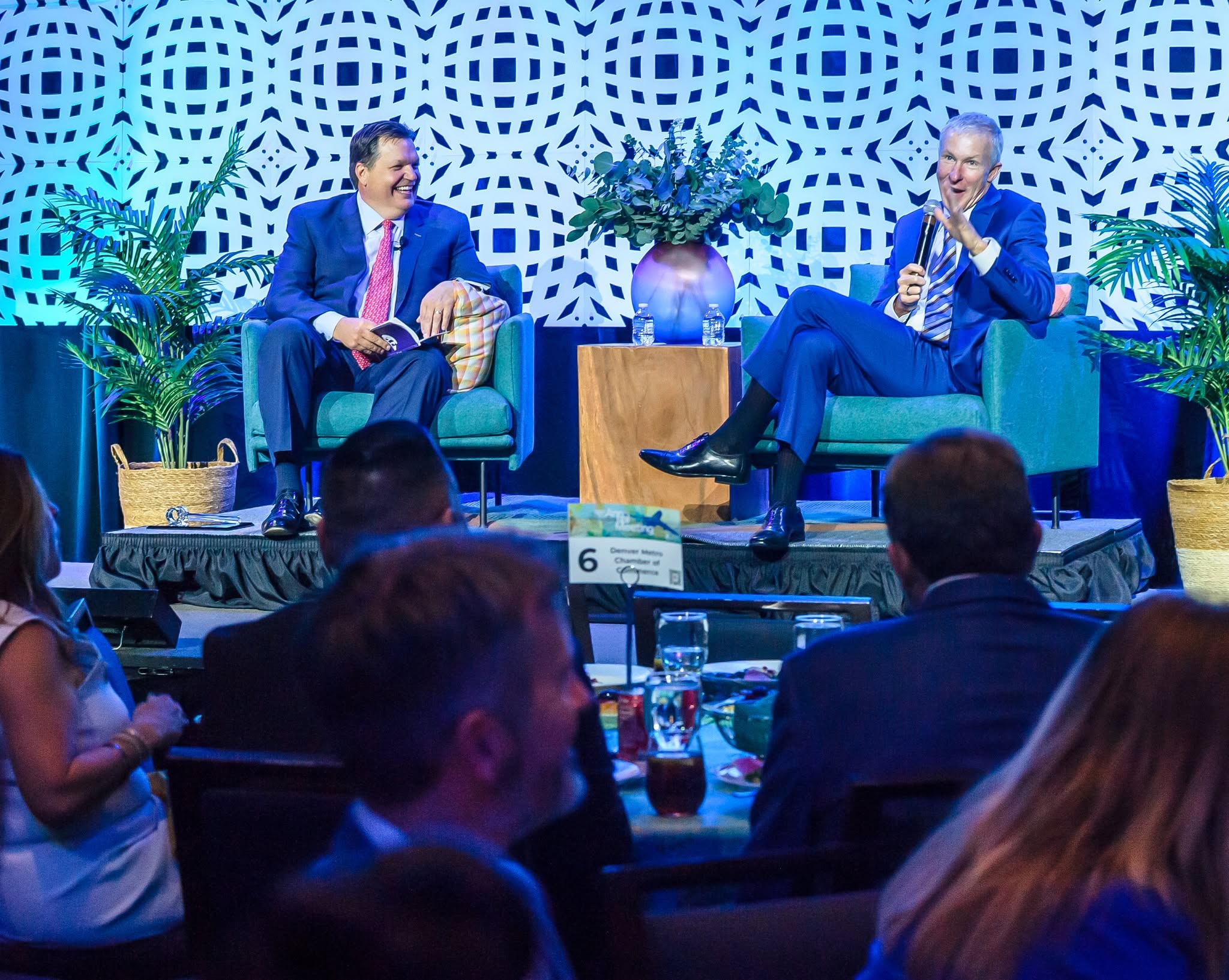
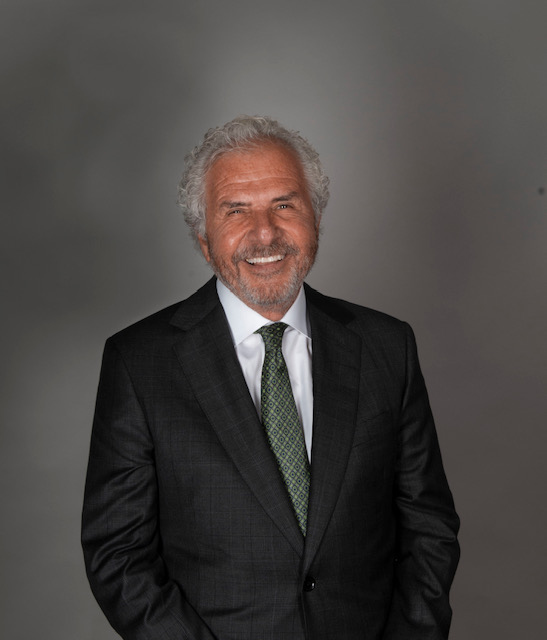
Tasha Jones, president and founder of LV Jones Consulting and member of the Virtual Voices Planning Committee, moderated the discussion with Javier Alberto Soto, president and CEO of The Denver Foundation.
Check out our key takeaways and the video of the webinar below.
Philanthropy has historically worked within a racist system, instead of dismantling it. Philanthropists of the past operated within a system that was already inequitable and ultimately reinforced this inequality through their work. Take for example, the General Education Board (GEB), which was tasked with finding ways to help Black people in the South during the early 20th century. Members of the GEB were exclusively white and ultimately built separate schools with separate curriculums – focused on agriculture for Black schools and academics for white schools – which relegated Black Americans in the South to low-wage agricultural work, thus preserving the subservience of Black people in the South under the guise of philanthropy.
For philanthropic organizations to be impactful, they first need to listen to the needs of the community. For Soto, who moved to Denver from Miami, one way for him to get to know his new community was just by biking to work. He was able to understand different communities from the ground level, and he learned how truly engaged residents are in Denver. Whether discussing the need for safe sidewalks in Montebello or hosting conversations at libraries in Globeville, the first step is to listen to what the community needs.
Look at ways to centralize your operations and organization to increase your reach. During the pandemic, The Denver Foundation found their existing processes were slowing them down, preventing them from having the impact they knew they could. So, they threw out the playbook and brought together their team to centralize processes and act more nimbly. Their donors needed to trust that The Denver Foundation knew how to best serve their community.
Be clear about who you are and what you stand for. With a clear mission, donors can choose to partner with you in philanthropy, or go elsewhere. For the Denver Foundation, this means their focus on racial equity should not surprise anyone looking to partner with them. Donors need to trust the organization they elect to work with. At The Denver Foundation, this has resulted in a focus on supporting BIPOC-led organizations, a decades-long legacy that past Presidents and CEOs David Miller and Christine Marquez-Hudson began. The Board supports staff in this work, so they can address issues in tandem, collaborating with the mindset of assets under influence instead of assets under management.
Approach everything with humility. “We are committed to being a learning organization,” said Soto, which he notes is not something philanthropy is known for. Constantly learning with humility will prevent you and your organization from caving into norms and historical legacy by reinforcing inequitable systems.
Pair policy with philanthropy. It’s important for nonprofits to advocate for change. If you aren’t influencing policy, you may not be getting at systems-level change. Consider matching grant investment with government action so you can gather momentum to create systems change.
Learn more about the work of the Denver Foundation here. Visit TIED’s Facebook and LinkedIn page for upcoming events and more information.
You can view a list of resources compiled from previous Virtual Voices webinars here. We have started a list of definitions to help frame this and future discussions at Virtual Voices. You can read and download that list here.
Read
- Responding to Crisis by Syntrinsic Investment Committee
- Investing for Economic Justice by Akasha Absher (LD ’15)
- Philanthropy Needs to Rise to the Moment of the Racial Justice Movement by Alana Petraske
- Jim Crow Philanthropy by Emily Masghati
- Timeline: A Century of Philanthropy’s Engagement with Race and Racism by Rachel Wimpee
- Beyond hegemony: Reappraising the history of philanthropy and African-American higher education in the 19th century by Tyrone McKinley Freeman
Read a full transcript of the Virtual Voices session here.
Join us for an upcoming Virtual Voices or TIED events. Check out our upcoming programs.
- TIED 3rd Quarter Event: Leading Inclusively Is there Another Way? | Sept. 14 | Register