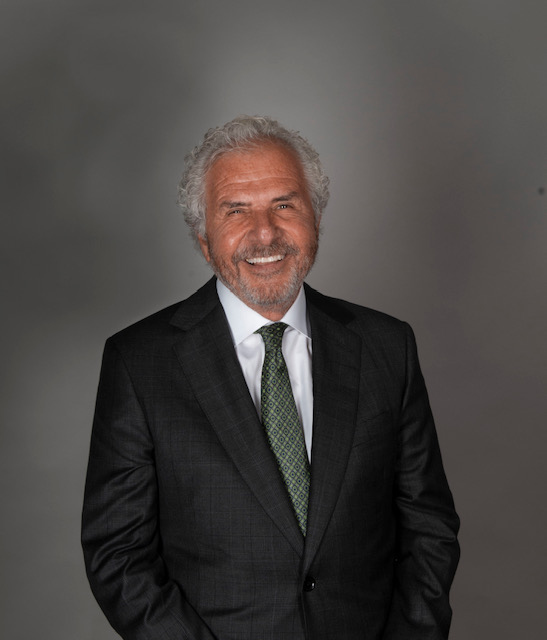



Asialee (Asia) Drews, Programs and Grantmaking, Western Union Foundation
Asia Drews oversees programs and grantmaking at the Western Union Foundation. Since July 2018, she has managed the Foundation’s disaster relief grantmaking portfolio and funded more than 30 global crises, including the Foundation’s 2020 COVID-19 $1 million plus global response. The Western Union Foundation is the philanthropic arm of Western Union and is a 501(c)3 entity separate from the company. While it is a separate organization, the Foundation’s mission to provide skills training and education to forcibly displaced individuals and youth aligns well with Western’s Union’s global business. “Our disaster response grantmaking strategy meets at the intersection where Western Union customers and employees live and work and where the most vulnerable populations live, including top host countries for migrants and refugees,” Asia explained. “One major reason that individuals are forcibly displaced is due to natural disasters and crises. We provide funding to support immediate relief and sustainable rebuilding for communities in crisis so they can build the resilience needed to recover and access economic opportunity and education.”
During her tenure, Western Union Foundation’s grantmaking strategy has evolved to take a more holistic approach to achieve greater impact. “We’ve made a real effort to identify nongovernmental organizations (NGOs) that do more than just immediate relief. We know we can have a greater impact if we support partners who also focus on building community resiliency and long-term recovery.” Asia stresses the importance of building relationships with NGO partners you can trust and establishing expectations and protocols before disaster strikes. “We are very clear about our expectations from partners, including funding parameters, how we will work together, communications, response times and measuring impact. We have those conversations upfront to ensure both our needs can be met through our partnership.”
The Foundation’s strategy of focusing on fewer, larger grants with established partners that they work with year after year has allowed them to deepen their relationships and impact. “We rely on our partners for a lot. Our funding comes from Western Union, its employees and agents. It’s important for us to be able to communicate the impact of their contributions and keep them engaged in our work. Our NGO partners provide us with stories, data and visuals that we can share with our stakeholders, which helps build their awareness and support of the NGOs work. Our Foundation doesn’t have the capacity to create that content ourselves. We also require formal impact reports for funded partners.” The Foundation also relies on NGOs and Western Union employees to provide accurate information about what is happening on the ground during disasters. “You can’t always trust the media to get the full picture of a disaster’s impact. Lean on your partners and local employees to get updates to inform your response.”
The Foundation has also established criteria for assessing disasters and determining their response. “We created a disaster “scorecard” linked to tiers of response. Depending upon an event’s score, we respond within a financial range with dedicated tactics (such as an employee appeal) and with corresponding communications,” Asia explained. Scorecard criteria includes disaster severity and level of impact; business impact, such as top market and employee considerations; and alignment with the Foundation’s mission (host refugee/migrant country consideration). Additionally, geographic location is a critical factor as the Foundation identifies the top target geographies where they will prioritize disaster response annually.
Asia emphasizes the importance of preparedness for your grantmaking work, as well as for your external partners. “Set aside time for planning each year. Update your plan and ensure all internal stakeholders are informed on the process and protocols and understand their role. We also meet with all NGO partners at the beginning of the year to talk about our needs and expectations to ensure they understand and are able to meet them.”
One thing her time in this role has taught Asia is the importance of being intentional with your dollars. “I would challenge other companies and foundations to think critically about they can have a larger impact. Many communities and organizations need funding for community resiliency. Investing in resiliency will allow communities to recover more quickly and be better prepared for the next disaster, saving more lives and resources in the long run.”
Asia’s advice for those just getting started in creating a disaster response strategy:
- Determine your goals. Why are YOU doing disaster response? Your goals will inform the criteria you set for responding as well as how you respond.
- Identify your minimum and maximum giving levels, target geographies, the disaster “severity scale” to be used and other criteria that make sense for your company. There will always be more disasters than you can support – you need criteria, so you know when to say no.
- Select your nonprofit partners/NGOs before the next disaster. Find partners whose work matches with your goals and establish a relationship. Work together to grow your partnership to help where it’s needed most.
OTHER TOP TIPS FROM WESTERN UNION FOUNDATION
- Peak disaster season occurs July-December, try not to expend your budget prior.
- Have contingency plans in place for when you (or other key staff) are out of the office.
- Understand that similar disasters will likely occur in the same locations year after year and plan and budget accordingly.
- Document your specific event response strategies as this context will be helpful when determining strategy for future responses.