

B:CIVIC strives to share best practices in the CSR and ESG spaces. We are proud to connect with our investors and elevate their stories and expertise. Thank you to Tory Woods, DISH Cares senior lead, for contributing. Learn more about DISH Cares here and read Tory's insights below.
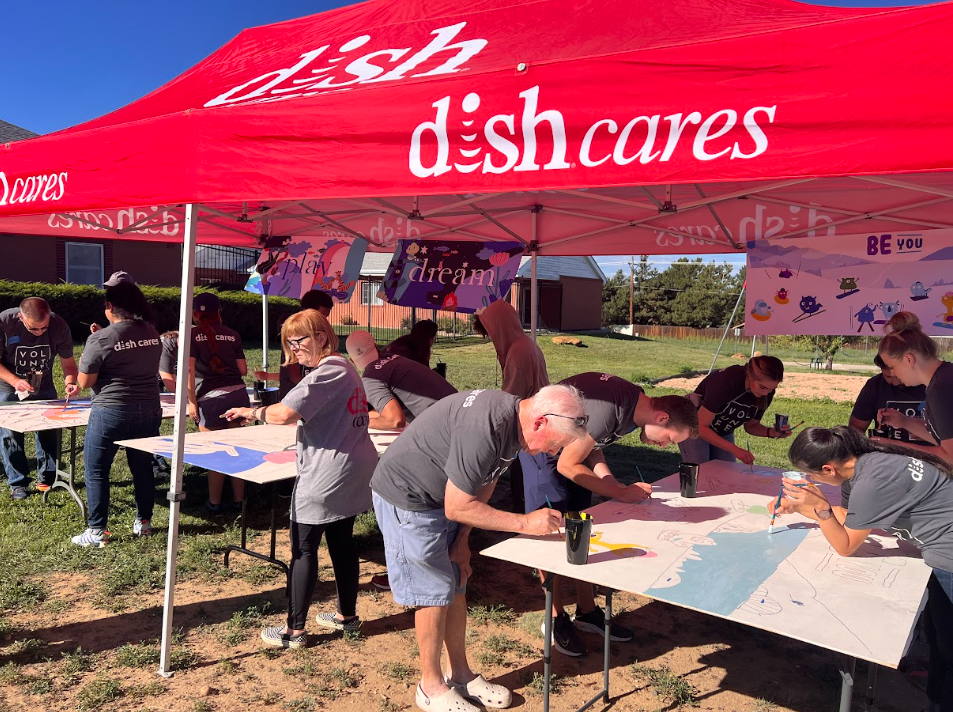
As companies return to hybrid and in-office roles, the value of employee engagement opportunities and culture will continue to grow. For employees, an important aspect of this transition is feeling a sense of purpose and community; for many, this is found through volunteer events.
Throughout the past year I have had the opportunity to rebuild our program from the ground up. While every company’s program will be unique, here are eight essential strategies for a successful workplace transition and volunteer program:
- Have a plan and set goals. Start with a big picture and then narrow down your focus areas. Perhaps your goals are monthly volunteer events, a week of service, or finding strategic nonprofit partners. Once you have your goals set, identify a few metrics to measure. Whether it’s tracking number of events, hours volunteered, number of teams engaged or who is volunteering, it’s important to start tracking to measure for success.
- Align CSR mission and community partners. There are countless nonprofits and community organizations that have a proven mission and support worthy causes. In the beginning it may seem easy to want to work with everyone who emails with a request, but finding strategic partners whose goals and missions align with your business goal will provide greater results and longevity to your work.
- Host diverse volunteer opportunities. When planning volunteer opportunities be sure to offer a variety of times, locations, cause areas, and physical intensity levels. Volunteers need to know exactly what they are committing to before they show up.
- Find a budget. Many social impact departments are underfunded. However, you can find a budget by working with different departments such as human resources, marketing, or communications teams, which will also enhance their department goals.
- Build an internal network. Expand your reach and capacity by inviting employees to be volunteer leaders through a Champion program. Give your Champions the tools they need to run successful and impactful events, including branded gear.
- Communication is key. Planning volunteer events for your team is wonderful but if there aren’t strong lines of communication to promote the event, it will have little impact. Use the Champion program to promote the event and then provide volunteers with a detailed overview before and an impact report following the event. Want to learn more about employee-focused communications? Read B:CIVIC’s blog here.
- Adjust when the original goals change. Business goals and programs will change throughout the year to adapt to new challenges and successes. Don’t be afraid when you have to pivot your program but instead use this time to re-evaluate your program and how you can continue to improve it.
- Give recognition. Most importantly, thank your team members who are taking time out of their day to make a difference!
Remember, not all programs are the same and they do not need to be built in a few months. Find a strategy that works for your company and then have fun with it and watch it grow!
Interested in sharing your organization’s voice and best practices? Reach out to B:CIVIC at info@bcivic.org for more details.