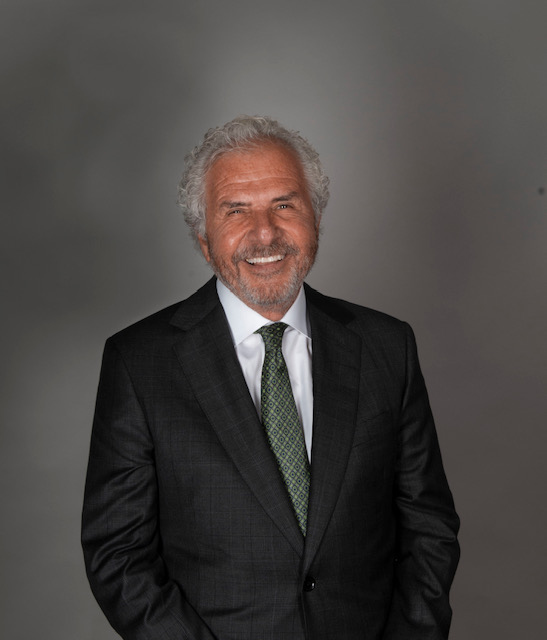


Andy Bailey, Sr. Program Manager for Disaster & Humanitarian Response, AT&T
Andy Bailey serves as the Sr. Program Manager for Disaster & Humanitarian Response at AT&T. His role was created in 2017 after Hurricanes Harvey, Irma and Maria hit in succession. “Harvey was the catalyst,” Andy explains. “Being headquartered in Dallas, Harvey essentially hit our backyard. Company leaders realized that significant disasters were happening globally at a greater frequency and that we needed a focused strategy for disaster and humanitarian response.”
Andy uses one underlying principle to describe their strategy, “we are a global company. But, when disaster strikes, we are a local company.” When determining their response, he looks at how it impacts their key stakeholders and business operations. “First, do we have employees in the area and how have they been impacted? Is the business impacted and to what degree? Do we have retail stores in the area? Has our communications network been impacted?” He also relies on local AT&T team members in affected areas to update him on the impact on other key stakeholders. The type and severity of impact on these diverse stakeholders drives how they respond to meet the needs. “The Australian Bush Fires were a great example of this,” Andy noted. “Our Sydney-based employees described the terrible air conditions due to the smoke, so we provided N95 masks. They also alerted us to the horrific impact on wildlife and requested support for a wildlife conservation organization.”
Initially, AT&T’s program focused solely on immediate relief. As they began to better understand the long-term impacts, they broadened their efforts to support the entire disaster cycle: relief, recovery, resilience and preparedness. Andy looks broadly at how they can support each phase and leverages multiple resources, which include cash contributions, employee volunteerism and other resources from the business, such as providing charging stations in shelters and sponsoring text-to-give campaigns.
“Having strong partnerships with nonprofit organizations is critical,” Andy stresses. “It’s important to reach out to potential partners and start relationships during ‘blue skies’. Have open conversations about what they need, what your company does and how you could help. Different partners work at different phases in the cycle — that will determine what they need from you. Since employee engagement is one of our program goals, we work with partners who have opportunities for employees at each phase of the cycle.” A key goal of the program is “Build a strong AT&T community by uniting employees across the globe to help impacted employees and their communities recover from unexpected disasters & hardships”. In addition to the tactics mentioned previously, they support this goal by investing in partners who specialize in long-term recovery, such as SBP and engage employees in volunteer builds in hard-hit communities. They have also developed programs focused on resiliency and preparedness to reduce the impact of disasters. This includes employee facing education and awareness events featuring actionable tools and resources to help them be prepared and resilient.
Andy has great advice for companies getting started in disaster response, “commit to having a strategy and know that it will evolve and change as you learn more. You’ll get better as you go, give yourself some grace.”
ANDY’S ADVICE FOR COMPANIES WHO ARE DEVELOPOING A DISASTER RESPONSE STRATEGY
- Just start and have an idea of what you do best as a company and utilize your strengths.
- Every disaster is different. Be disciplined with your strategy and resources and don’t get emotional.
- Don’t stretch your business too thin.
- Be genuine and authentic in your relationships and your response efforts. It’s not a competition for who writes the biggest check.
- Everyone wants to help during a disaster. You’ll find talent and skills within your company that you had no idea was there. Utilize your teammates. It’s not just you that has to figure this out.
- Talk to your peers and learn from each other. B:CIVIC is a great resource!
- You can’t be the hero for everyone. Always go back to your strategy and goals and stay focused.
- Find what works for your company – we are all different.
- If you can’t respond immediately, remember you can always provide support later for recovery or for preparedness and resiliency before the next disaster.