

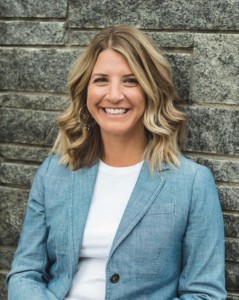
What has been a defining moment in your leadership journey, and how did it shape you?
A defining moment in my leadership journey was moving from a direct-service nonprofit Executive Director role into a leader in Corporate Social Responsibility. I shifted from serving children and families directly to shaping systems that support safer, more high quality healthcare for all. In CSR, accountability widened: clear criteria, transparent grantmaking, equity, and honest reporting. In my work keeping promises to grantees is paramount—timelines, feedback, data—so they can depend on us. I learned to balance compassion with measurable results: funding work that reduces fragmentation and shares outcomes transparently for replicable and scalable impact. That transition taught me trust is built through clarity, humility, and consistent action; honesty about tradeoffs helps us deliver dependable, lasting results together
How did your Denver Metro Chamber Leadership Foundation experience shift your perspective on leadership and prepare you to face the challenges that come with leading?
My experiences through Impact Denver, Leadership Denver, B:CIVIC Programs and the Leadership Exchange widened my view from “organization success” to “community impact.” In our Leadership Denver cohort, I learned to ask early: Who benefits—and who might be left out? Today, that question continues shape to how I think about strategy, measurement, and resourcing. I work to have clear rationale, invite differing perspectives, and build ways for people to hold me and my work accountable. My continuing board service keeps me grounded in Denver’s evolving needs and reminds me: dependable leadership shows up consistently, listens openly, and delivers results transparently.
What’s a lesson you’ve learned as a leader that you wish more people talked about openly?
A lesson we should talk about more is the balanced relationship of accountability and empathy. If we focus only on outcomes, people burn out; if we focus only on feelings, results drift. In my work, I try to make expectations clear, measurable, and visible—and pair them with context, resources, and care. When something slips, I try to talk honestly about barriers and choices, not just the numbers. When we succeed, I work to share credit generously. I wish more leaders normalized saying “I was wrong,” or “I don’t know yet—here’s how we’ll find out.” That kind of honesty builds trust. It makes dependability a team trait, not just a personal one, and it makes results sustainable and more equitable.
How do you see civic and business leadership evolving in Denver—and what gives you hope about the future?
As someone who has spent a lot of time professionally at the intersection of government, nonprofit and private partnerships, I continue to be delighted to see how Denver’s civic and business leaders continue to focus more and more on shared outcomes. I see more tables where companies, nonprofits, and government align on a few measurable priorities, report progress together, and adjust in public. That takes transparency (common data), reliability (leaders who keep showing up), and equity (designing with communities, not just for them). What gives me hope is the collaboration I’ve experienced through the Denver Metro Chamber Leadership Foundation programming and board work. I know that when leaders are people willing to face hard truths, learn together, and keep their promises anything is possible. When we combine honesty about what’s working with accountability for what isn’t, Denver’s future looks stronger than ever.
If you could give your younger self one piece of advice, what would it be?
Start practicing transparent leadership early. Write down your commitments, share how you make decisions—not just the decisions—and ask for feedback before you think you need it. Initially, keep promises small and consistent to build reliability and trust. Celebrate ALL the wins along the way with everyone involved. Be relentlessly curious and ask questions. Measure what matters, but don’t lose sight of people—results are most meaningful when they expand opportunity. And remember: honesty isn’t a vulnerability; it’s a strength that makes accountability possible and dependability visible. Lead with heart, and let your actions—over time—tell a trustworthy story.